Pierre ponce
7,30 €
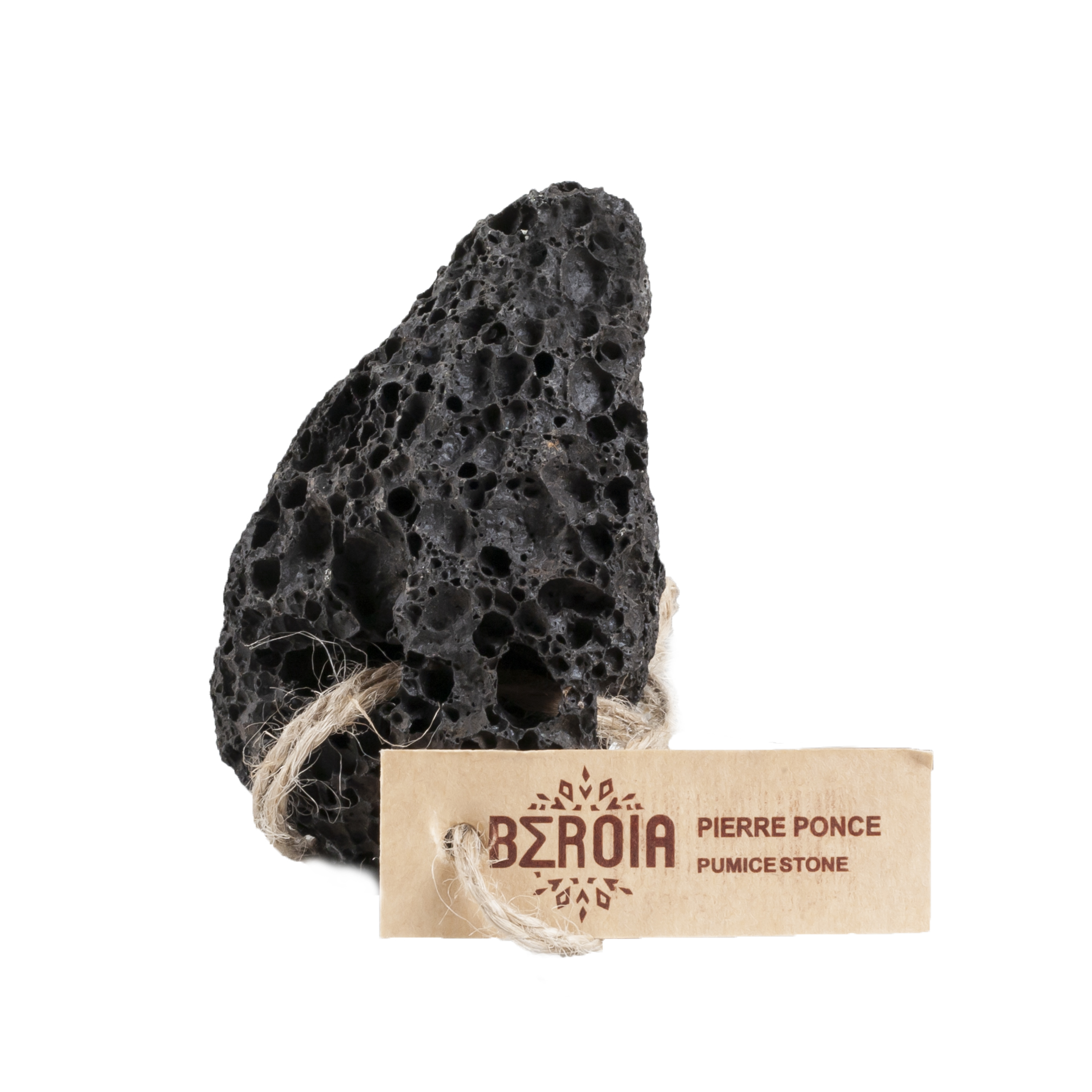
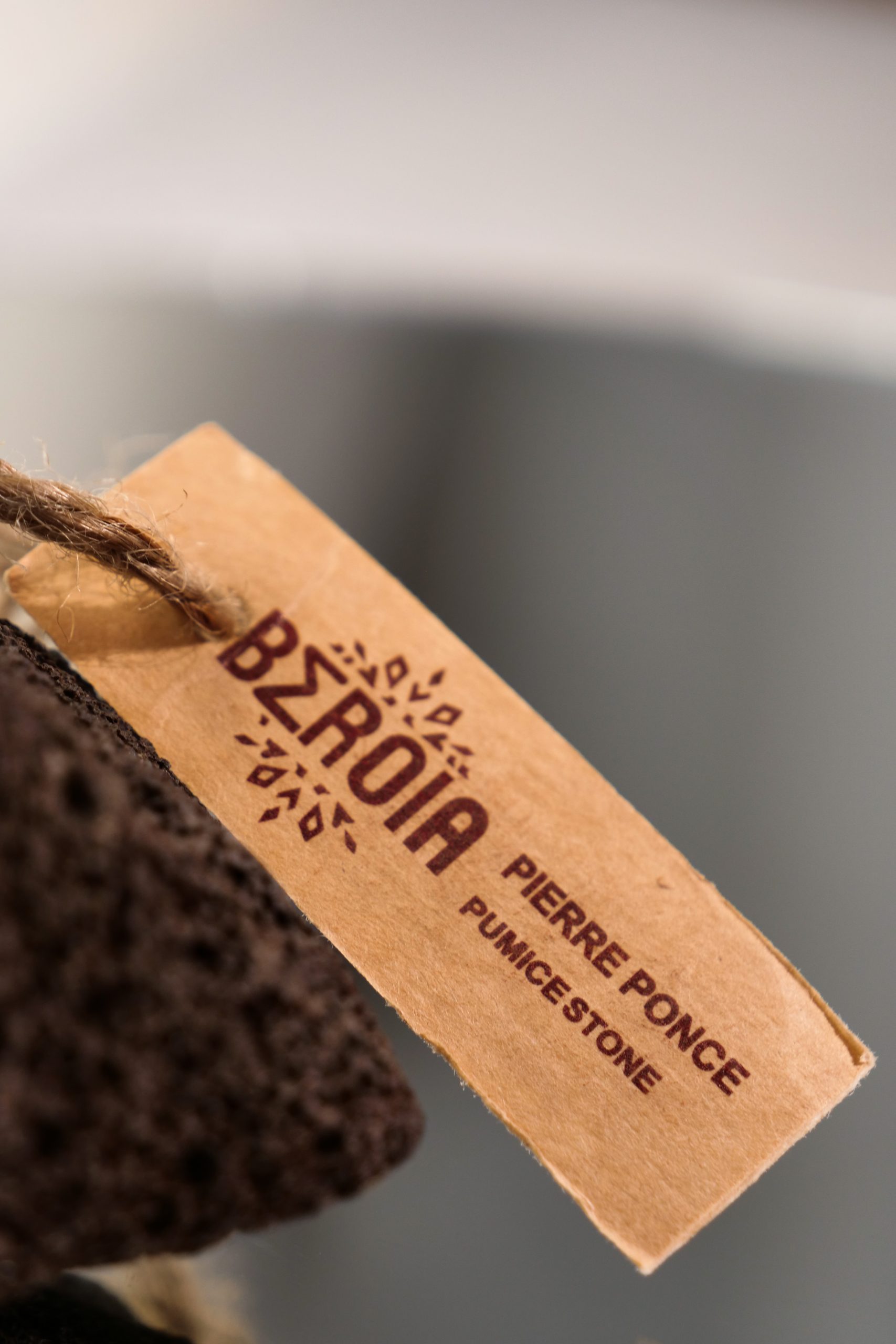
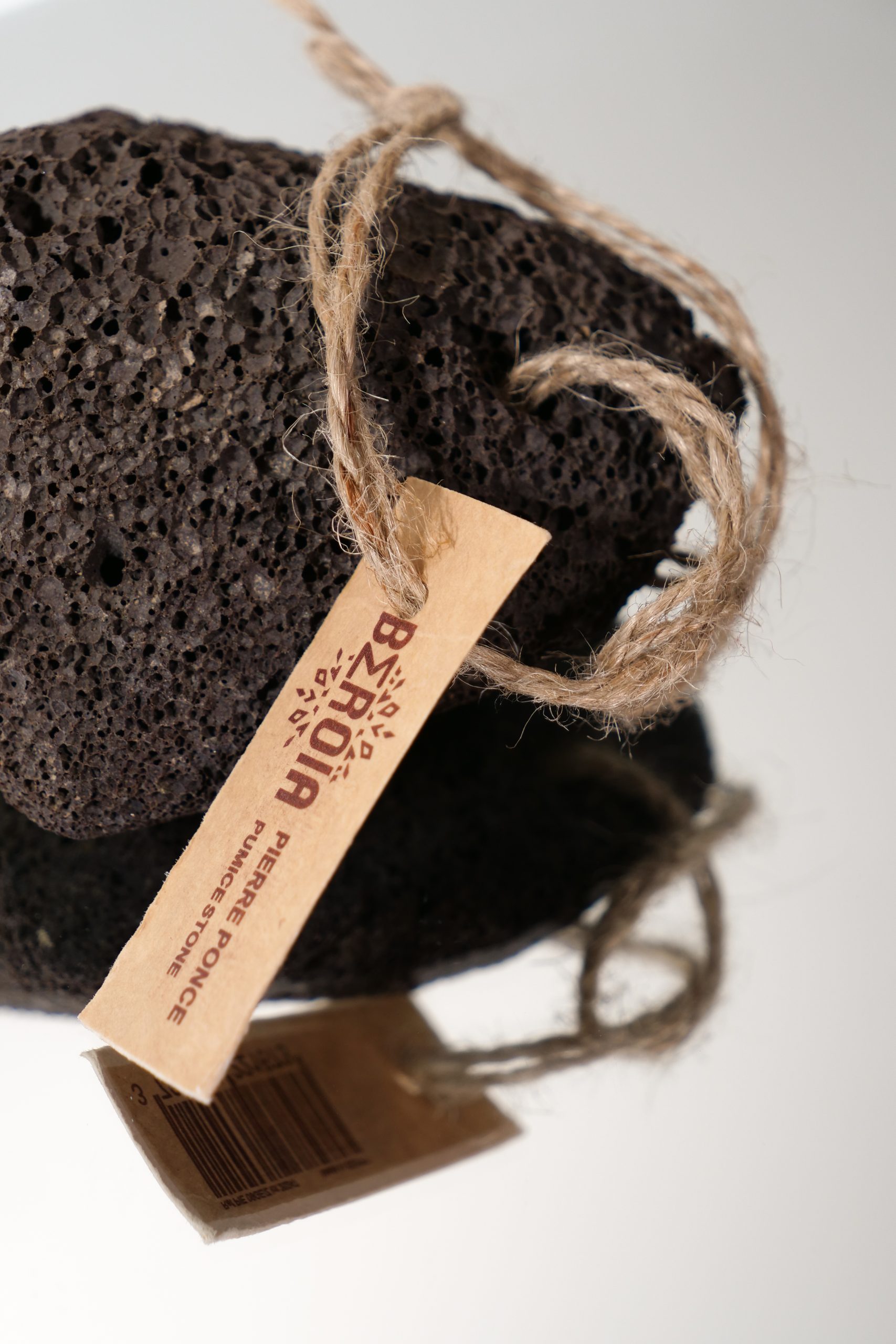
La pierre ponce Beroïa est une roche naturelle issue de la roche volcanique en fusion. La Pierre Ponce Beroïa est un trésor de bienfaits pour une peau purifiée. Notre engagement envers la qualité et la tradition se reflète dans chaque grain de cette pierre ponce.
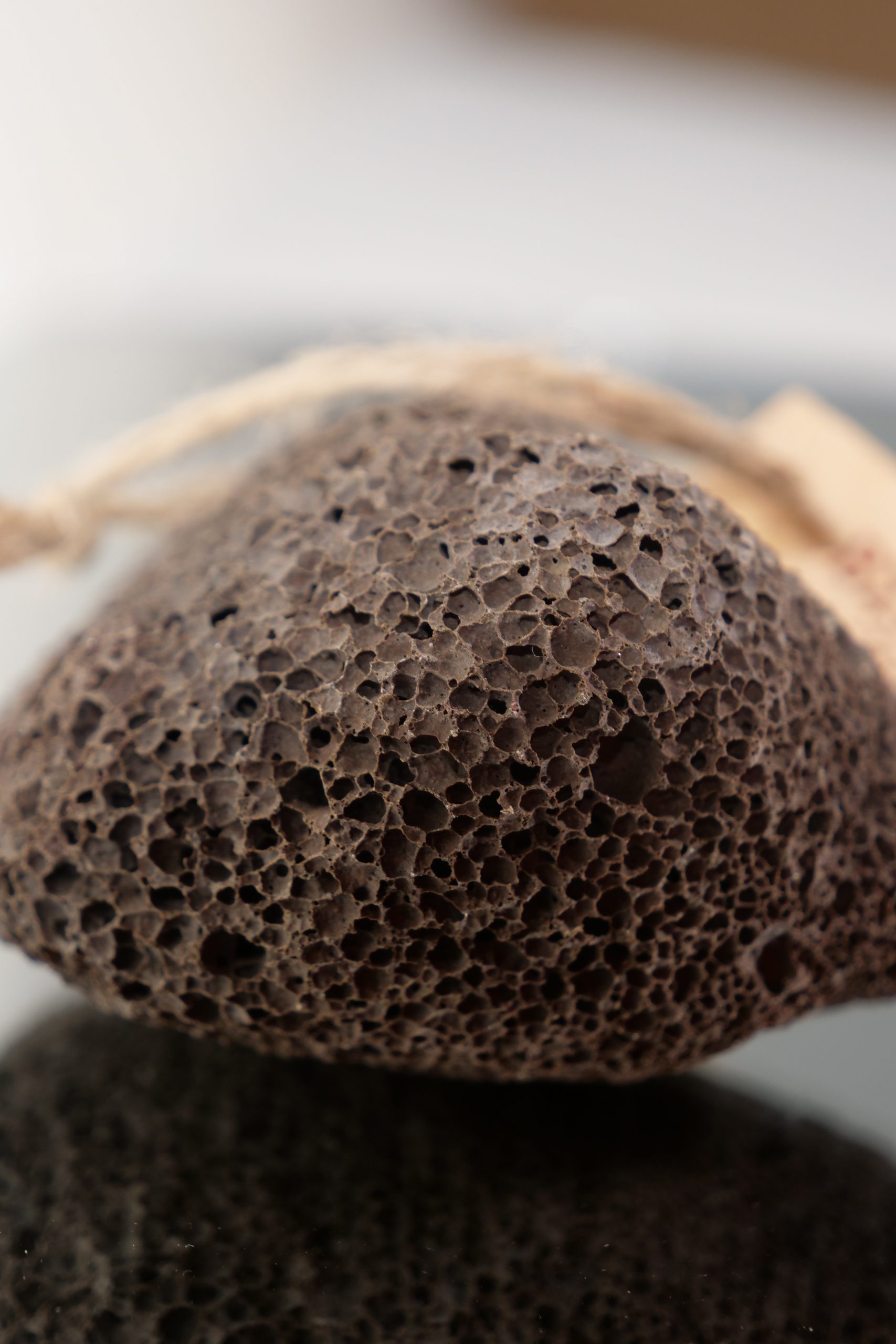
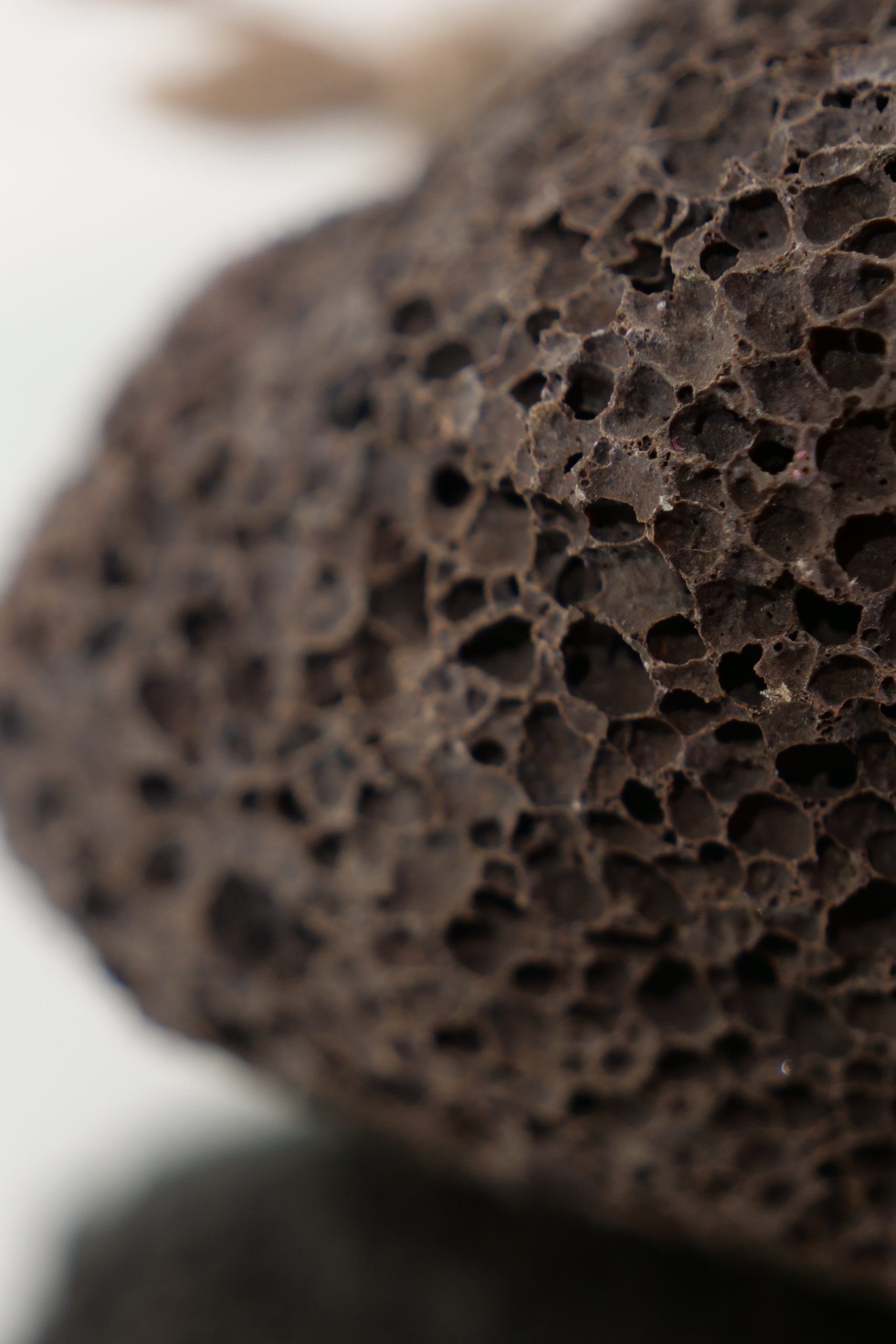
La Pierre Ponce Beroïa offre une exfoliation douce et efficace, éliminant les cellules mortes pour révéler une peau lisse et radieuse. Sa texture naturelle stimule la circulation sanguine, favorisant ainsi la régénération cellulaire. Elle est présentée sous sa forme brute noire. Cette roche est très poreuse et s’utilise comme exfoliant sur peau humide pour éliminer les callosités et les peaux mortes des pieds et des coudes. La peau est alors adoucie . C’est aussi un très bon allié contre la repousse des poils.
La pierre ponce s’utilise comme exfoliant sur les pieds et les coudes, elle élimine les peaux mortes et les callosités. Son usage est recommandé sur peau humide et ramollie.
Utilisez la Pierre Ponce Beroïa une à deux fois par semaine
Pour un bain de pieds exfoliant, diluer 150 g de sels de la mer Morte Beroïa dans une bassine d’eau chaude. Laisser tremper vos pieds pendant 15 minutes. Sécher puis poncer les parties ramollies à l’aide de la pierre ponce en effectuant de petits massages circulaires. Veiller à ne pas trop appuyer et à conserver une fine couche de corne de façon à protéger votre peau. Massez délicatement en effectuant des mouvements circulaires, en insistant sur les zones rugueuses. Rincez abondamment , sécher et hydrater votre peau avec le baume soin coco Beroïa, admirez une peau renouvelée.
Pour des jambes douces, la pierre ponce est aussi recommandée en usage quotidien sur les jambes de façon à ralentir la pousse des poils. Sous la douche, sur une peau propre et rincée, passer sur vos jambes la pierre ponce en mouvements circulaires sans appuyer. Hydratez ensuite votre peau avec le lait pour le corps à la fleur de Tiaré Beroïa.
À force d’utilisation, la pierre ponce se polie et sa porosité s’adoucit, elle peut alors être utilisée sur des parties du corps plus sensibles, tels que les orteils.
Pierre ponce 100 % naturelle
Composée uniquement de matières premières naturelles, la Pierre Ponce Beroïa respecte votre peau . Sans additifs nocifs, elle s’adresse à tous les types de peau, même les plus sensibles.
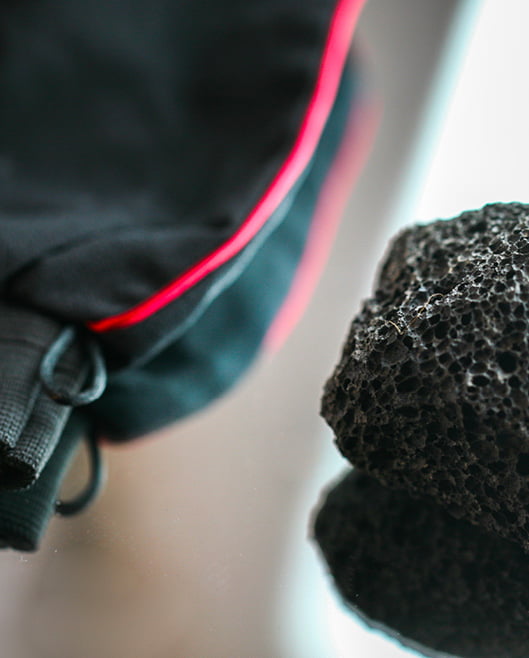
La pierre ponce est créée lorsque de la roche surchauffée et hautement pressurisée est violemment éjectée d’un volcan. La configuration mousseuse inhabituelle de la pierre ponce se produit en raison d’un refroidissement rapide simultané et d’une dépressurisation rapide.